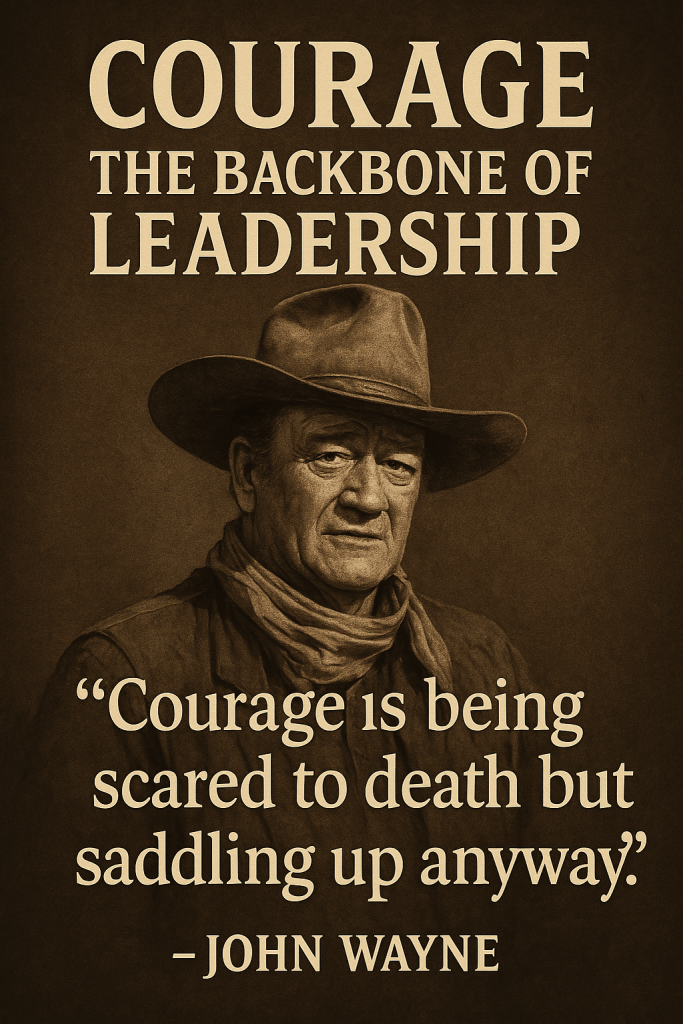
Courage: The Backbone of Leadership
Courage is the cornerstone of effective leadership, and it holds a special place in the JJDIDTIEBUCKLE series. This series, which highlights the core traits of leadership, emphasizes the importance of moral and physical courage in navigating challenges and inspiring others.
Courage is not the absence of fear but the ability to face it head-on. It is about taking risks, standing up for what is right, and persevering in the face of adversity. Whether it’s making tough decisions, admitting mistakes, or defending your values, courage is the trait that enables leaders to act with integrity and conviction.
🛡️ The USMC Definition of Courage
The United States Marine Corps (USMC) defines courage as “the mental, moral, and physical strength ingrained in Marines. It steadies them in times of stress, carries them through every challenge, and aids them in facing fear and overcoming adversity with resolve.”1 This definition underscores the essence of courage as a steadfast force that empowers individuals to confront fear and adversity with resolve.
⚖️ Courageous Leadership
Courageous leadership is about distinguishing between doing things right and doing the right things. While doing things right focuses on efficiency and adherence to rules, doing the right things emphasizes moral integrity and ethical decision-making. As the adage goes, “What’s wrong is wrong, even if everyone is doing it. What’s right is right, even if no one is doing it.” This principle serves as a guiding light for leaders who strive to uphold ethical standards and make decisions that align with their values.
🌟 Everyday Acts of Courage
Courage manifests in various forms, shaping the way leaders interact with their teams and communities. It is present in everyday decisions and actions, from admitting a mistake to supporting a colleague. Courageous leaders are unafraid to challenge authority or the status quo when necessary. They understand the importance of voicing concerns and advocating for change, even in the face of opposition.
🌍 Courage Across Contexts
In both the military and the corporate world, courage is a universal trait that transcends environments. Military leaders must make quick, high-stakes decisions under pressure, while corporate executives face critical choices that can shape the future of their organizations. Both understand the importance of fostering trust and unity within their teams, inspiring loyalty and collaboration.
| Aspect | Military Leadership | Business Leadership |
| Decision-Making | Courage to make quick, high-stakes decisions under pressure | Courage to make strategic, long-term decisions with organizational impact |
| Team Dynamics | Courage to foster trust and unity in high-stress environments | Courage to build collaboration and loyalty across diverse teams |
| Risk Management | Courage to take calculated risks with potential life-or-death consequences | Courage to balance innovation with financial and reputational risks |
| Ethical Standards | Courage to uphold strict codes of conduct and honor | Courage to navigate complex ethical dilemmas in a competitive market |
🎖️ Final Formation
Courage is the backbone of leadership, and it’s a trait that deserves to be celebrated and cultivated. Let it guide you as you navigate the complexities of leadership and strive to make a positive impact. As Billy Graham said, “Courage is contagious. When a brave man takes a stand, the spines of others are often stiffened.”2 And as John Wayne famously remarked, “Courage is being scared to death but saddling up anyway.”3
Footnotes:
- The USMC definition of courage is sourced from the Leading Marines publication, which outlines the core leadership traits that define the Marine ethos.
- Billy Graham’s quote originates from his 1964 Reader’s Digest article, “A Time for Moral Courage,” where he emphasized the ripple effect of moral courage in inspiring others to act with integrity.
- John Wayne’s quote highlights the essence of courage as action in the face of fear, encapsulating the spirit of resilience and determination.
 Lead.Manage.Succeed
Leave a comment